
Twenty-five years
A pizza that started being made twenty-five years ago
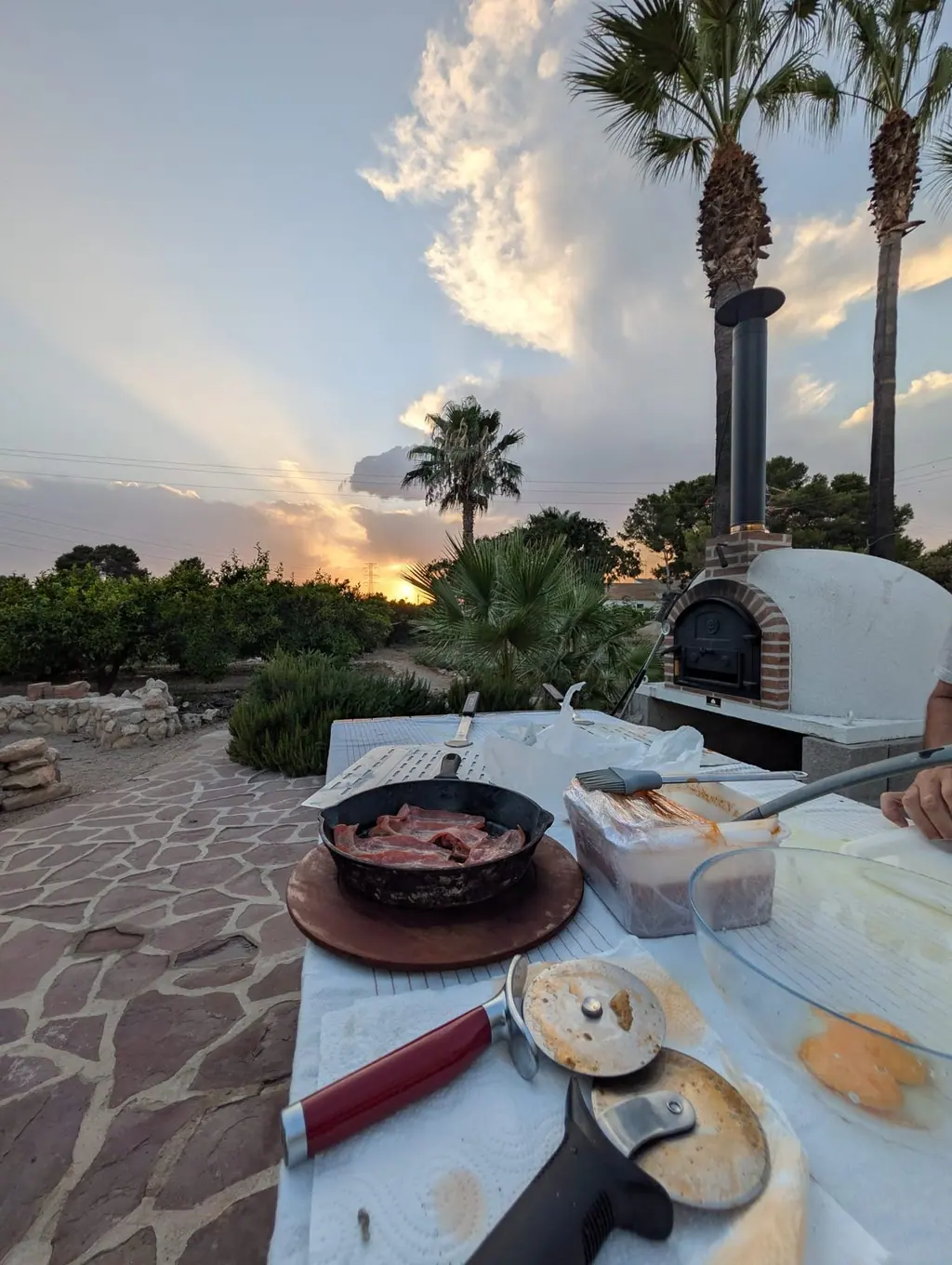
A quarter-century-old sourdough starter, forty-eight hours of cold fermentation and a clay oven at four hundred degrees. In the garden of a 16th-century villa, fifteen minutes from Valencia.
The dough
Twenty-five years of feeding it
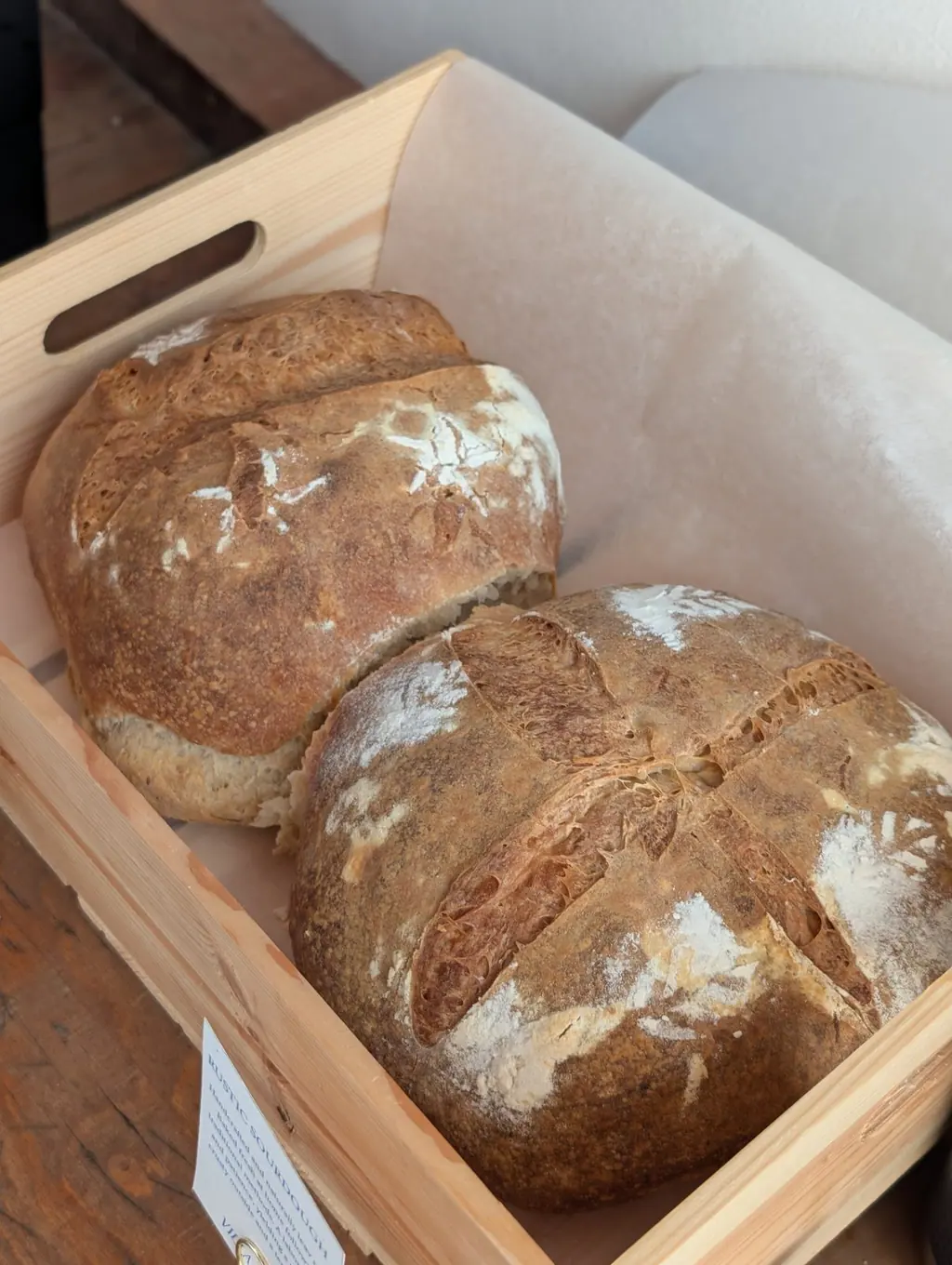
The starter has been alive for a quarter of a century. You don’t buy one or start from scratch: you feed it, and what rises in a dough ball today comes from something set going twenty-five years ago.
Italian flour mixed with an old-variety flour. Forty-eight hours of cold fermentation, then another two to four hours at room temperature depending on how warm the day is. That last part can’t be scheduled: you look at it and decide.
That’s why the pizza is asked for in advance. It isn’t that anything needs buying: it’s that the dough started two days earlier.
The sauce
The tomato starts with the seed
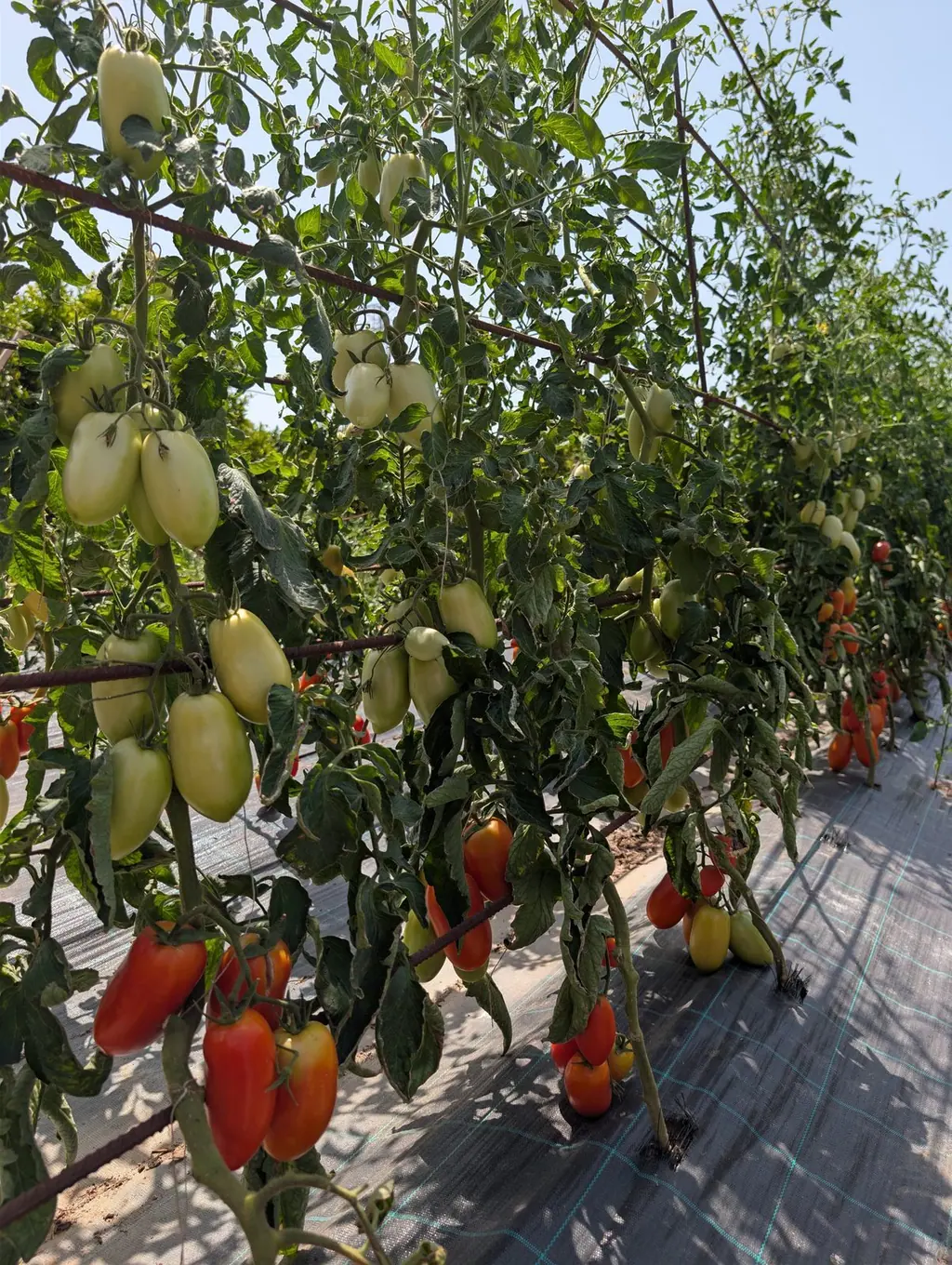
The best seeds are chosen, planted, tended with nothing but water, and then you wait. Not a day early: the tomato is picked when it’s red all the way through, which is when it has concentrated everything it has.
It’s preserved that same day, without waiting until the next morning. The sauce is made later, when it’s needed, with those tomatoes and no others.
It’s a sauce you can’t buy, because the work started in March.
At a glance
Everything that happens before a pizza
Three days of work for something eaten in minutes, hot and without waiting.
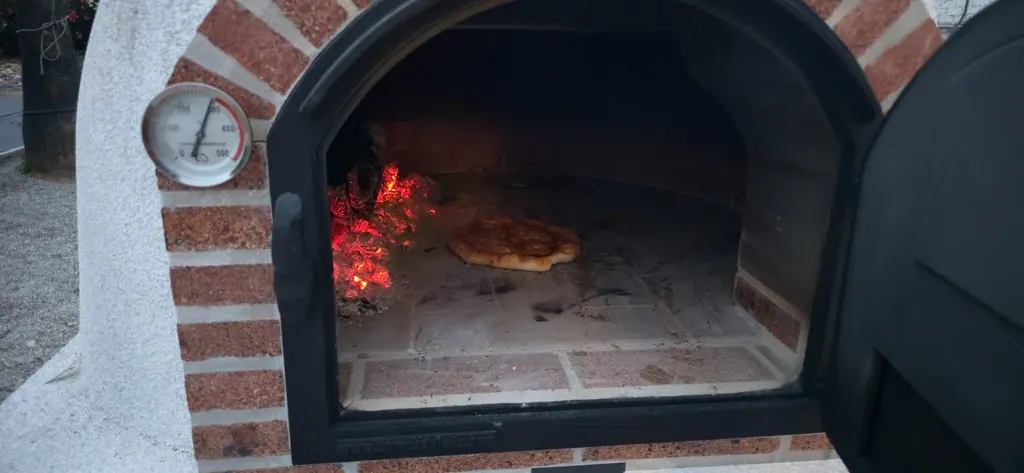
The oven
Two hours of firewood for ninety seconds
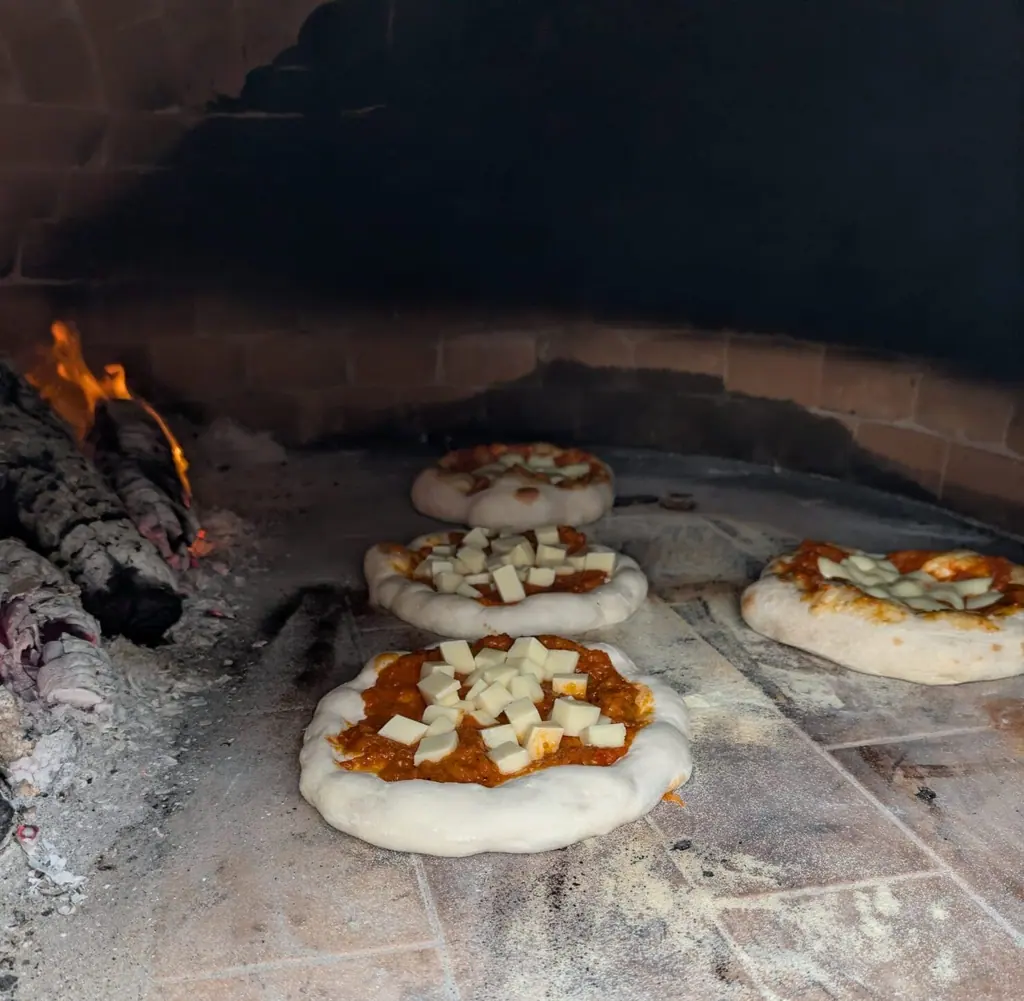
The oven is clay and heated with wood. It needs two hours to reach four hundred degrees, which is the temperature at which a pizza cooks in a minute and a half and comes out with a puffed, blistered crust.
At a lower temperature it isn’t the same: the dough dries instead of puffing. That’s why it isn’t lit when the group gets hungry, but two hours before.
How it unfolds
They come out one at a time
The pizzas don’t all arrive at once: they come out of the oven one at a time and go round the table as they come, hot.
The oven is already hot
By the time the group reaches the garden, the oven has been lit for two hours and the dough has been going for two days.
It’s stretched in front of you
The dough ball is opened by hand, topped and goes in. Anyone who wants to try stretching their own, does.
You eat them as they come
Sitting at the table, with the next one already going in. Nobody waits for them all to be ready.
What goes on top
The garden sauce is the base. From there, it’s agreed with the group.
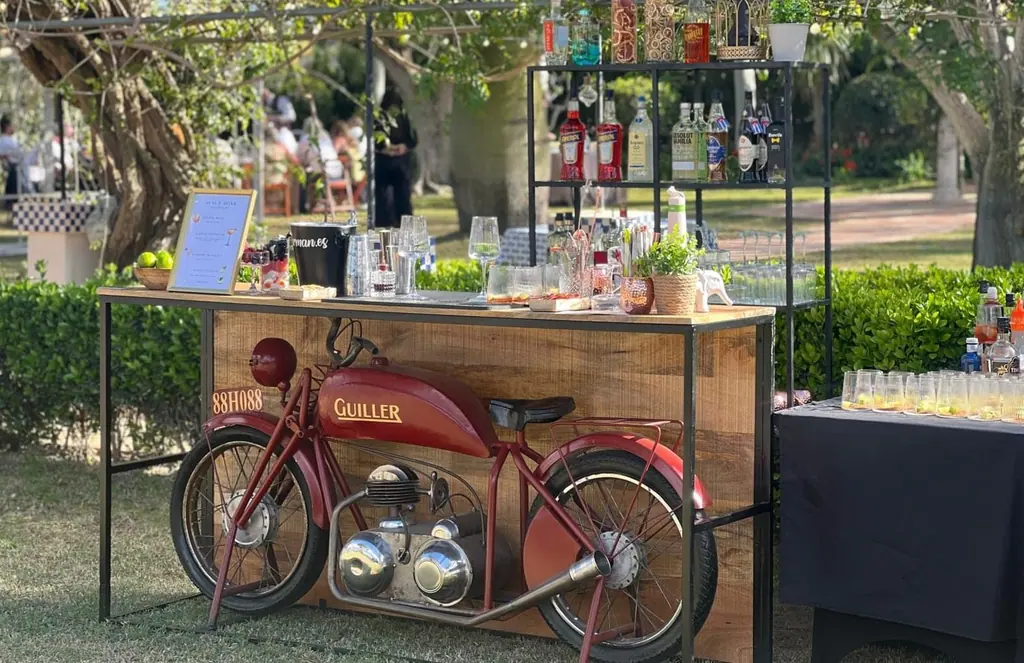
What you drink
Aperol and cold beer, as it should be
Pizza doesn’t go with just anything. Here it comes with Aperol and cold beer, which is what a dough straight out of the oven asks for.
It starts with a drink in the garden, beside the oven, and carries on at the table. It’s the Italian part of the house.
The dessert
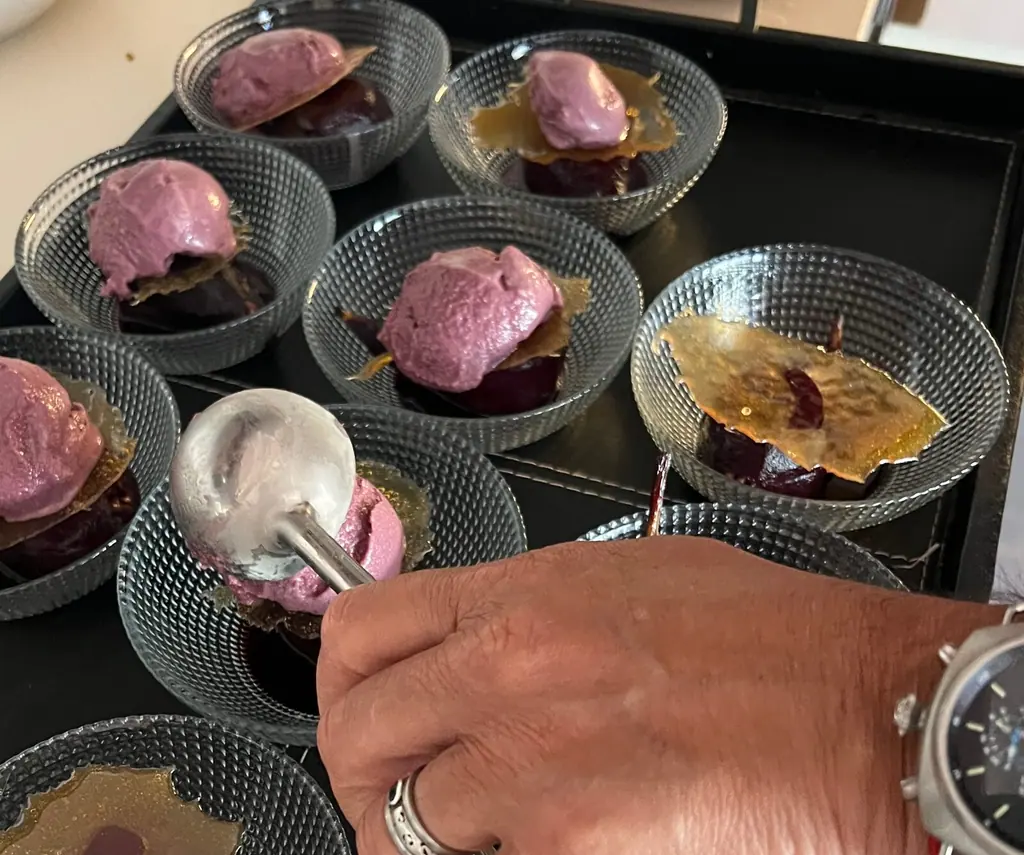
Dulce de leche ice cream, made twice over
First the dulce de leche is made, here and over a low heat. Then, from that dulce de leche, the ice cream is made. Two processes chained together and forty-eight hours in total.
We could buy ice cream. We make it because it doesn’t taste the same, and because after three days of dough it would make no sense to finish with something out of a tub.
First-rate ingredients, and nothing else. It’s the same idea as the rest of the house: time doesn’t show, but you can taste it.
Always, at any meal
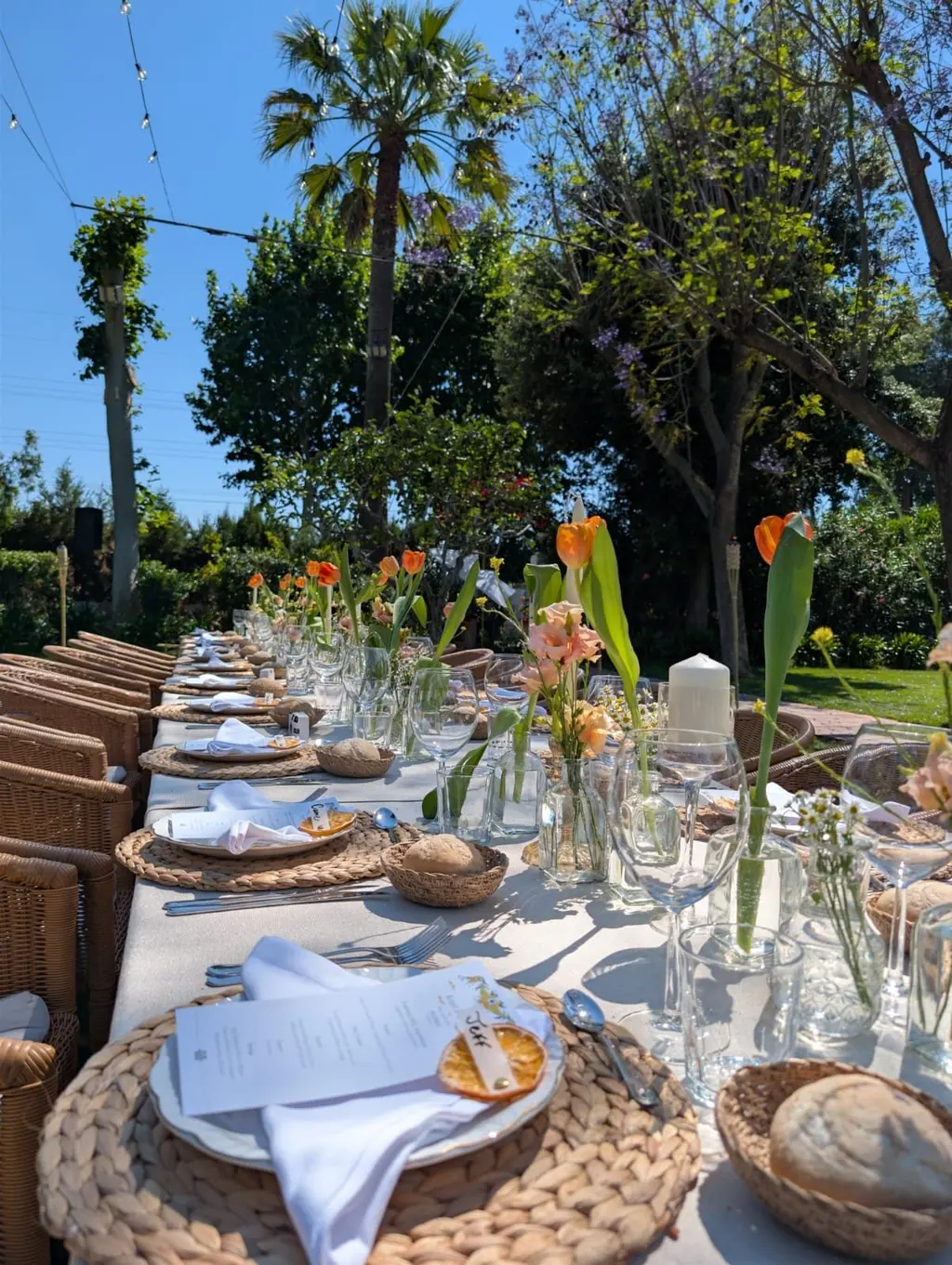
The meal doesn’t end on the plate
Linen, good china, crystal, cutlery and flowers cut from the garden that same morning. The table is laid for eating, not for a photograph.
Unlimited water, and up to two beers or two soft drinks per person. The wine is from Fontanars: red, white or rosé depending on what you’re eating and what you fancy.
And the table gets cleared. Nobody in the group lays it, nobody clears it and nobody washes up. That’s what separates eating in a rented house from eating at home.
Before you write
The questions we get most
Can we order the pizza without staying?
No. The house is rented whole to one group and the cooking is part of the stay.
How far in advance do we need to ask?
Well ahead: the dough needs forty-eight hours of cold fermentation before the dough balls even begin. It isn’t something that can be improvised on the day.
Can we join in?
Yes, and it’s the part people enjoy most. Anyone who wants stretches their own dough, tops it and watches it go into the oven. It isn’t compulsory: it’s up to whoever’s taking part.
What’s on the pizzas?
The base is the sauce from the garden’s tomatoes. The rest is agreed with the group beforehand, taking allergies and anyone not eating meat into account.
Is it a meal or a snack?
It can be both. They come out one at a time, so it works equally well as a whole dinner or as the hour before something else.
R.S.V.P.
What to ask for in advance
None of this has a form. You tell us on WhatsApp and it’s sorted before you arrive.
The dough starts two days earlier. The sooner you tell us, the better it turns out.
Where it happens
A 16th-century villa, entirely yours
The clay oven is in the garden of a five-hundred-year-old house, five minutes from Valencia airport and fifteen from the centre. Seven bedrooms, five bathrooms, a private pool and 4,500 m² of garden, always for one group at a time.