
Cooking
This is a house that cooks
A kitchen for sixteen and four separate fires in the garden. If the group wants to cook, everything is here. And if you’d rather we cooked, there are meals prepared in advance.
Outside
Four fires, and no two in the same place
Plus the kitchen indoors, which is also fire. It’s what people remember most from a stay here, and what comes up most in the reviews without anyone asking.
The barbecue
Embers, in its own corner of the garden. The Argentinian barbecue is one of the things people mention afterwards, when they write about the stay.
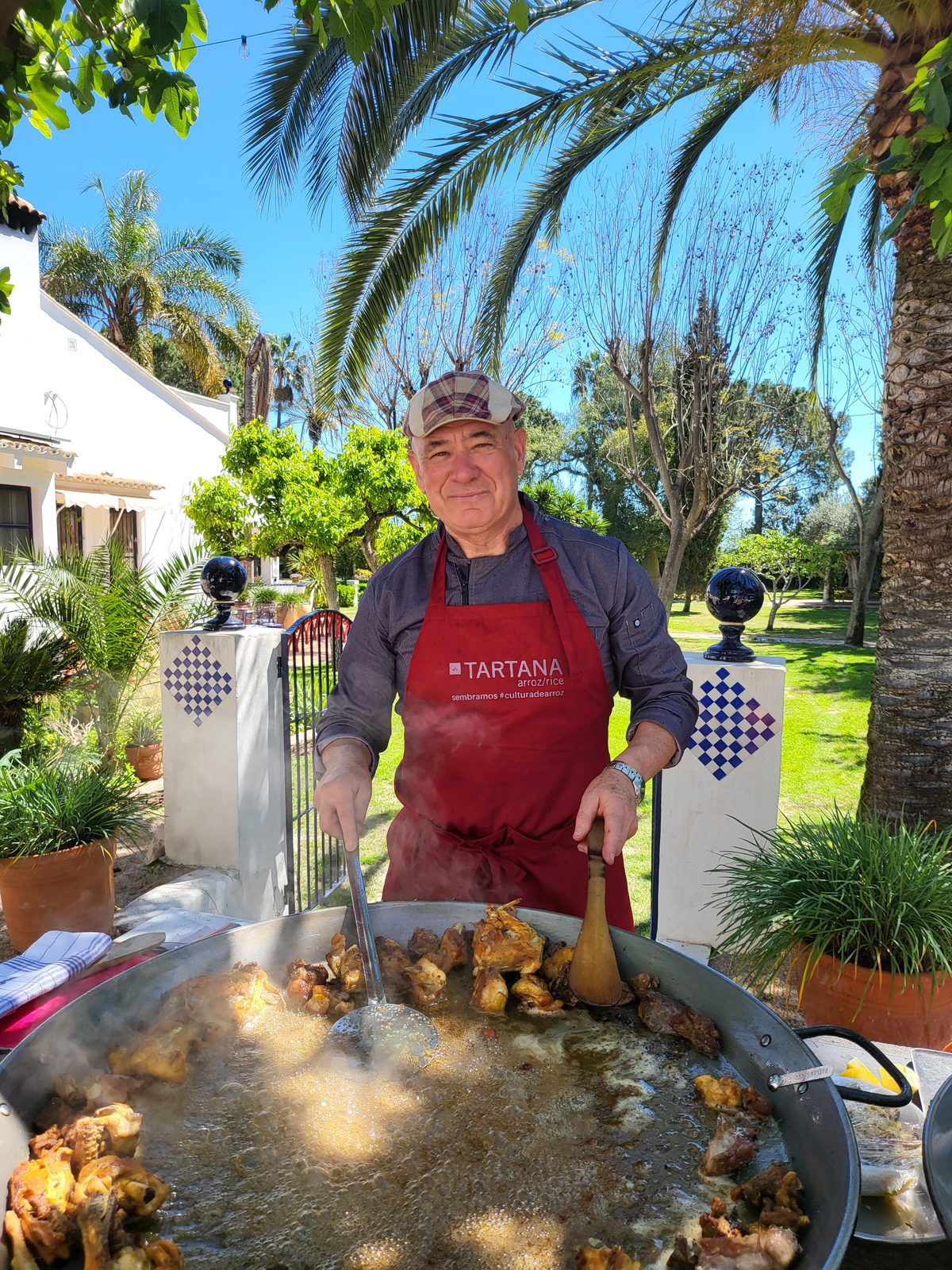
The paella fire
A fire built for paella and nothing else. The diameter and the height are set so the rice cooks the way it should.
The open fire
Open flame, in another part of the garden. It’s for cooking and it’s for sitting around once nothing is being cooked.
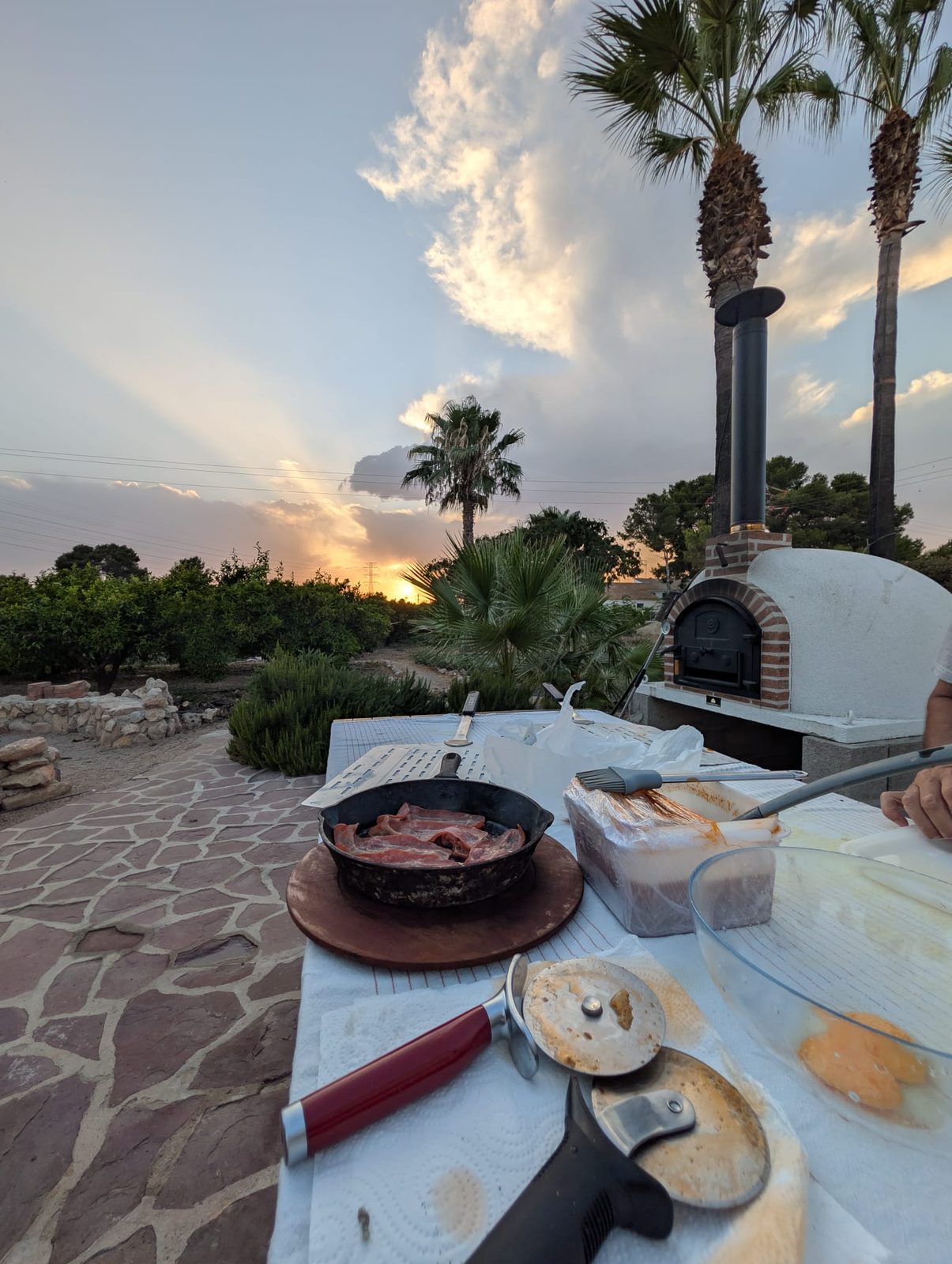
The clay oven
Wood and clay, up to four hundred degrees. It takes what it takes, which in January is precisely the point.
Inside
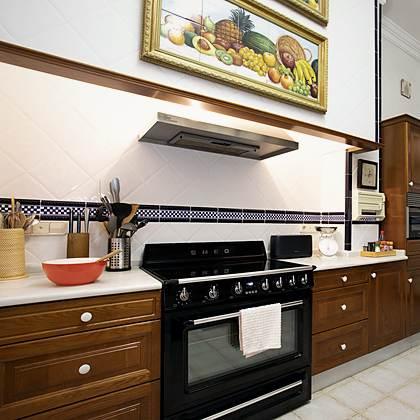
Room for several people to cook at once
The problem with cooking for a large group usually isn’t the heat: it’s that two people can’t work without bumping into each other. Here they can, and there’s worktop to spare for one to knead while another chops.
Genuinely sharp knives, pots and pans in every size, and three ways to make coffee. If something you want isn’t here, ask.
What you can ask for
Six meals
At midday or in the evening, whichever suits the group. Each needs its own time, and that’s the only reason to say so in advance.
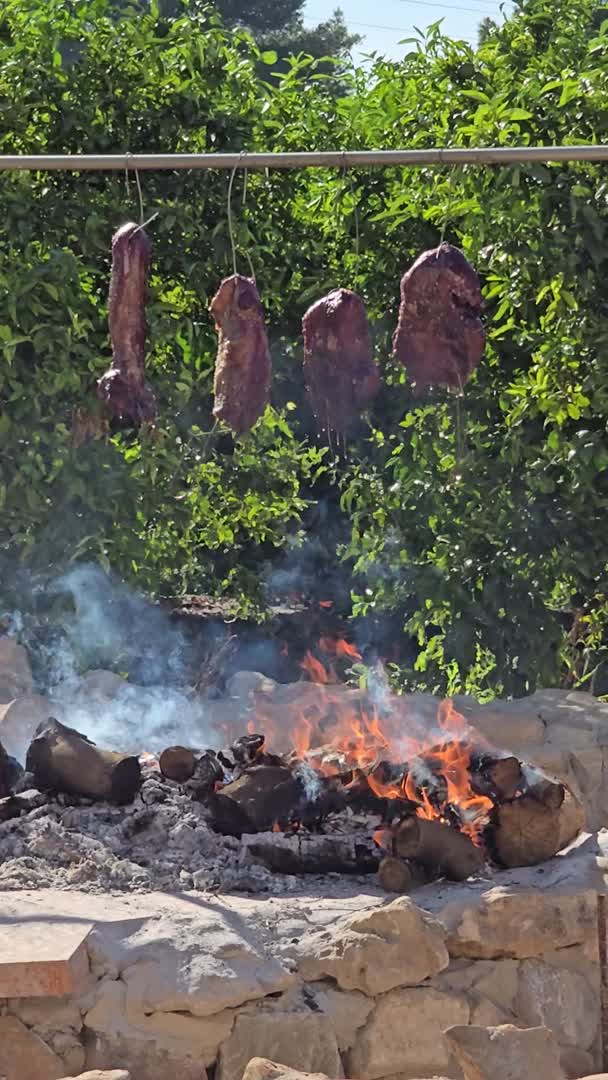
Argentinian asado
Organic meat hung for six hours by the pajarera method, with more than a hundred and twenty kilos of mandarin wood. It isn’t a barbecue: it’s a whole afternoon.
Minimum six people.
72 hours’ notice
Paella
Made by José Zafra, a researcher of rice. It starts in the morning at the Mercat Central, choosing what goes in, and ends at the table.
The morning at the market is included.
A week’s notice
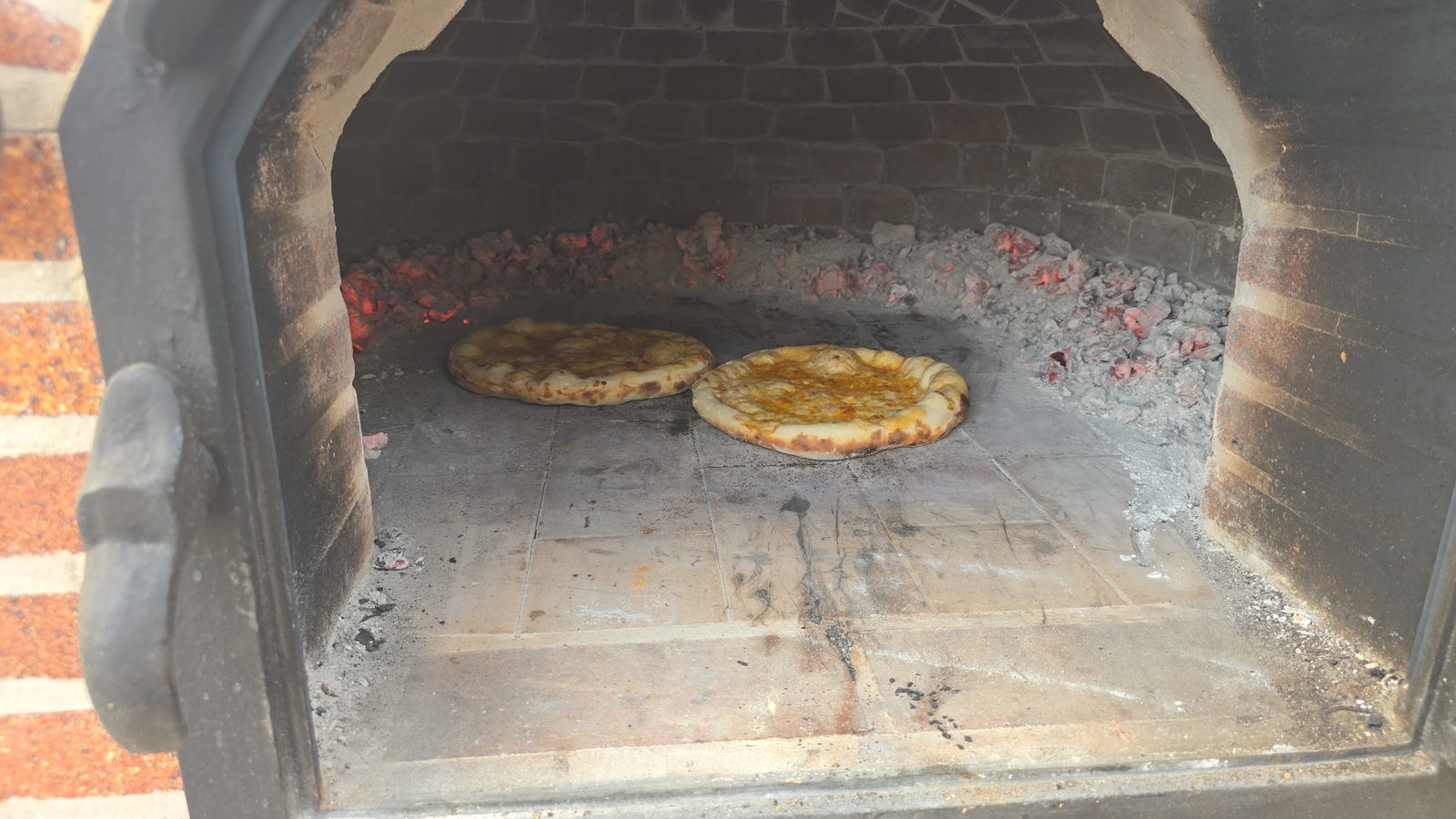
Twenty-five years
It’s called that because the sourdough starter is twenty-five years old. Clay oven at four hundred degrees. That same dough is the house bread.
PLAZO SIN FIJAR
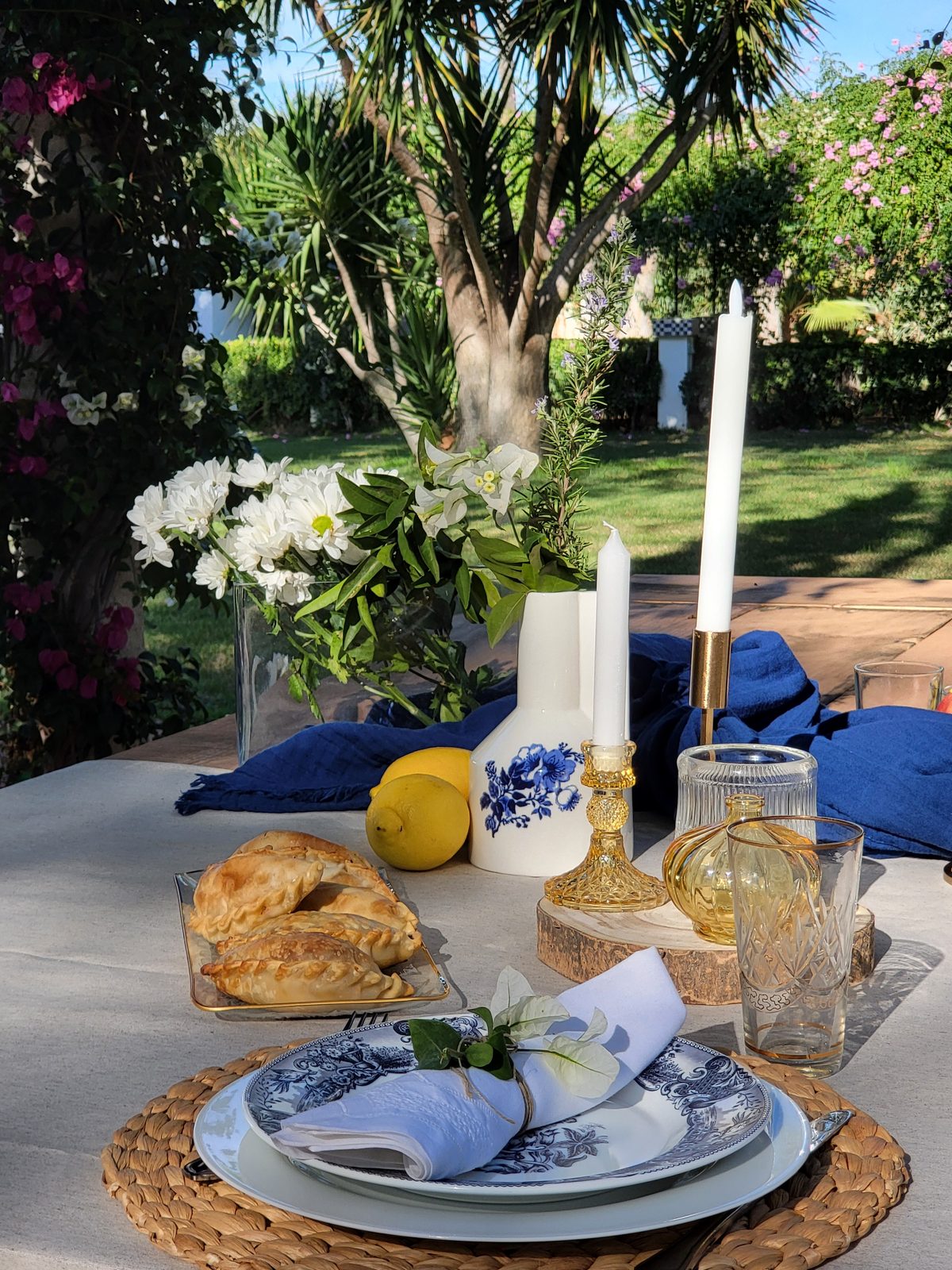
Empanadas
No starter, and that’s not an oversight: the empanadas are the whole meal.
Minimum eight people.
PLAZO SIN FIJAR
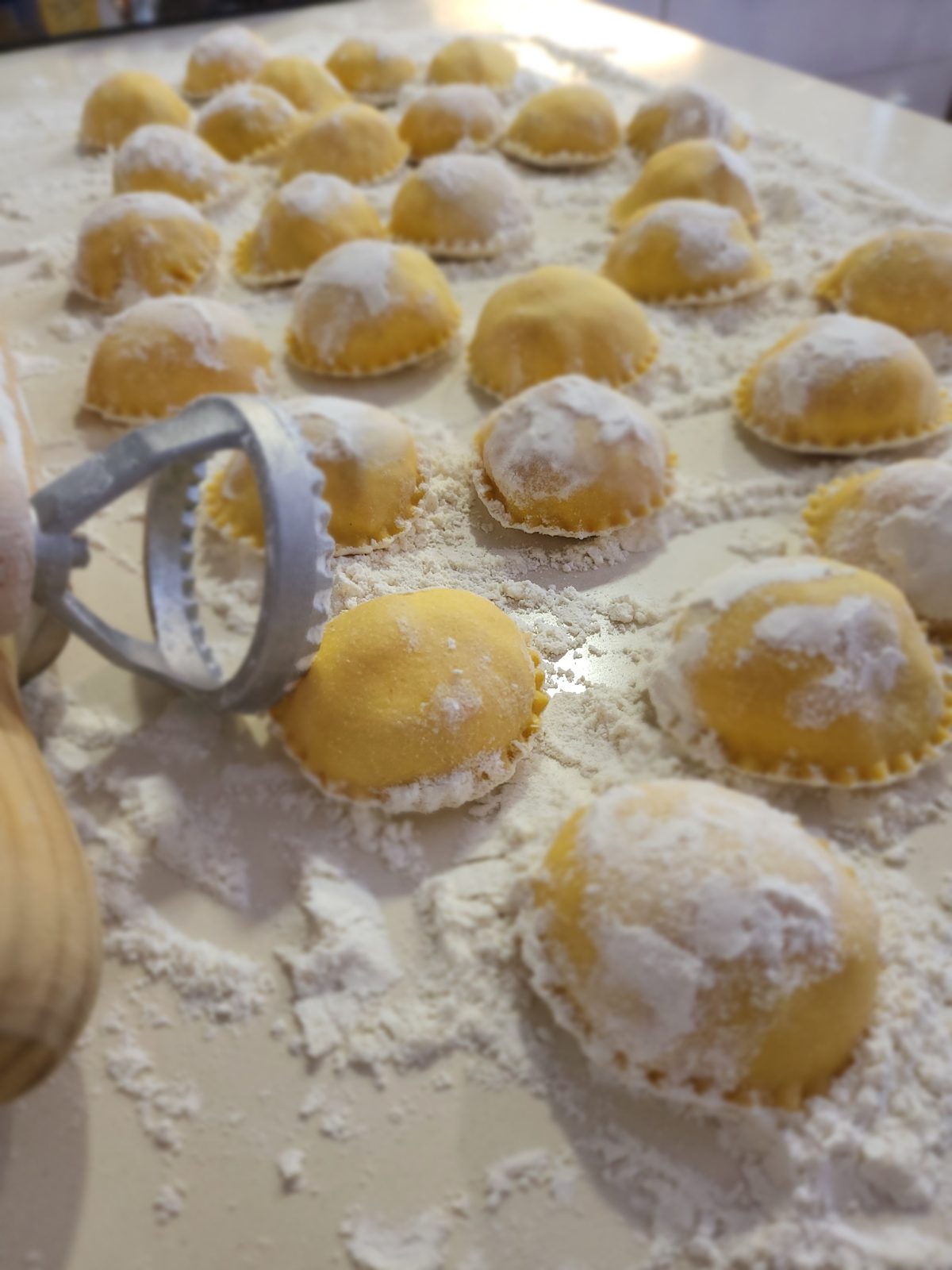
Pasta
Fresh pasta made here. It’s the meal that works best when there are children in the group, because they can help.
PLAZO SIN FIJAR
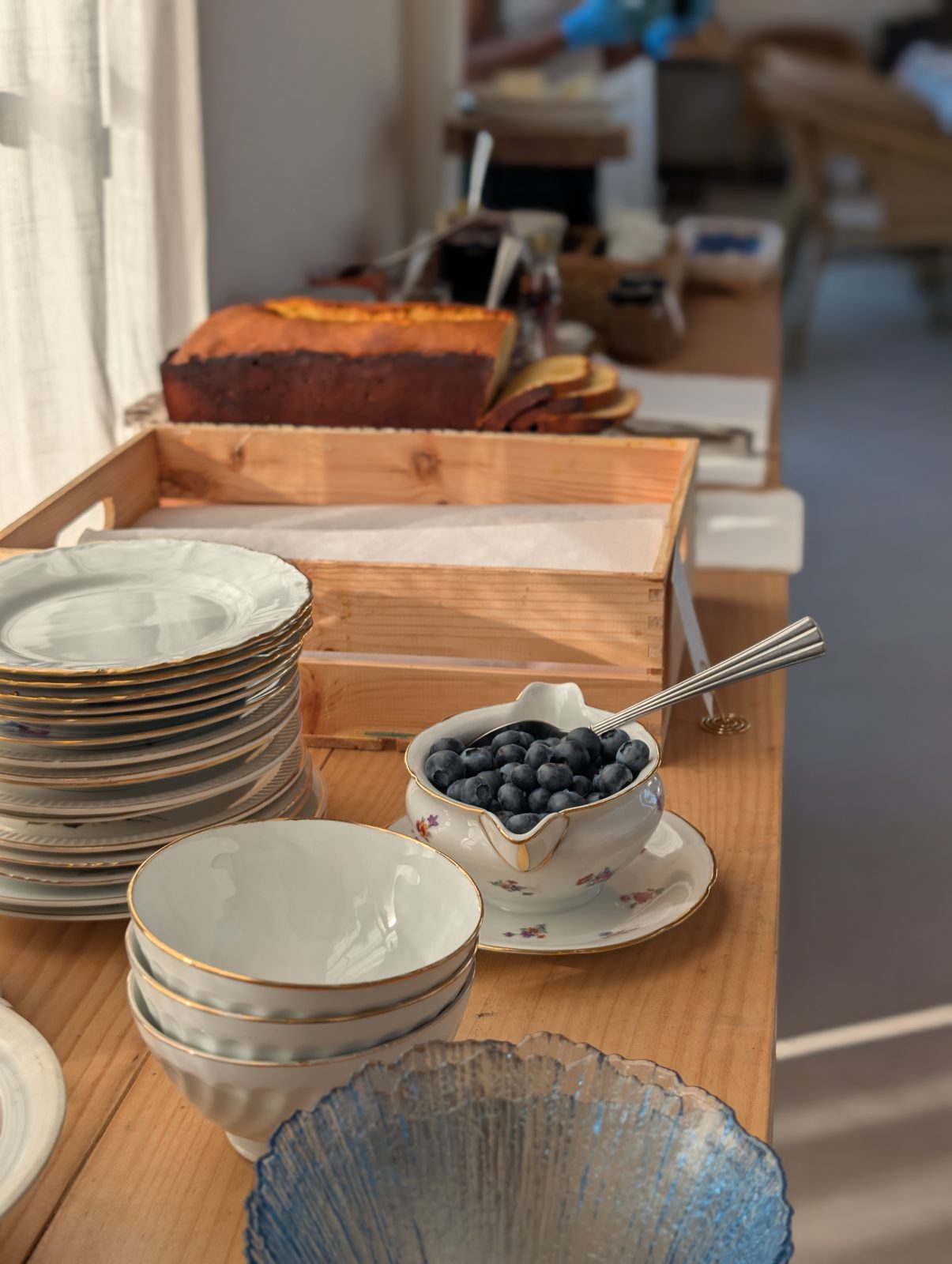
Breakfast
For whoever asks, on whichever day. In a group of fourteen people getting up at different times, having breakfast taken care of is worth more than it sounds.
48 hours’ notice
With any of the meals
And if the group wants flamenco
A guitarist, or the whole group. It isn’t a separate meal: it accompanies whichever one you choose, and it’s what reminds everyone they’re in Spain.
It works just as well at lunch as at dinner.
PLAZO SIN FIJAR
Before the food arrives
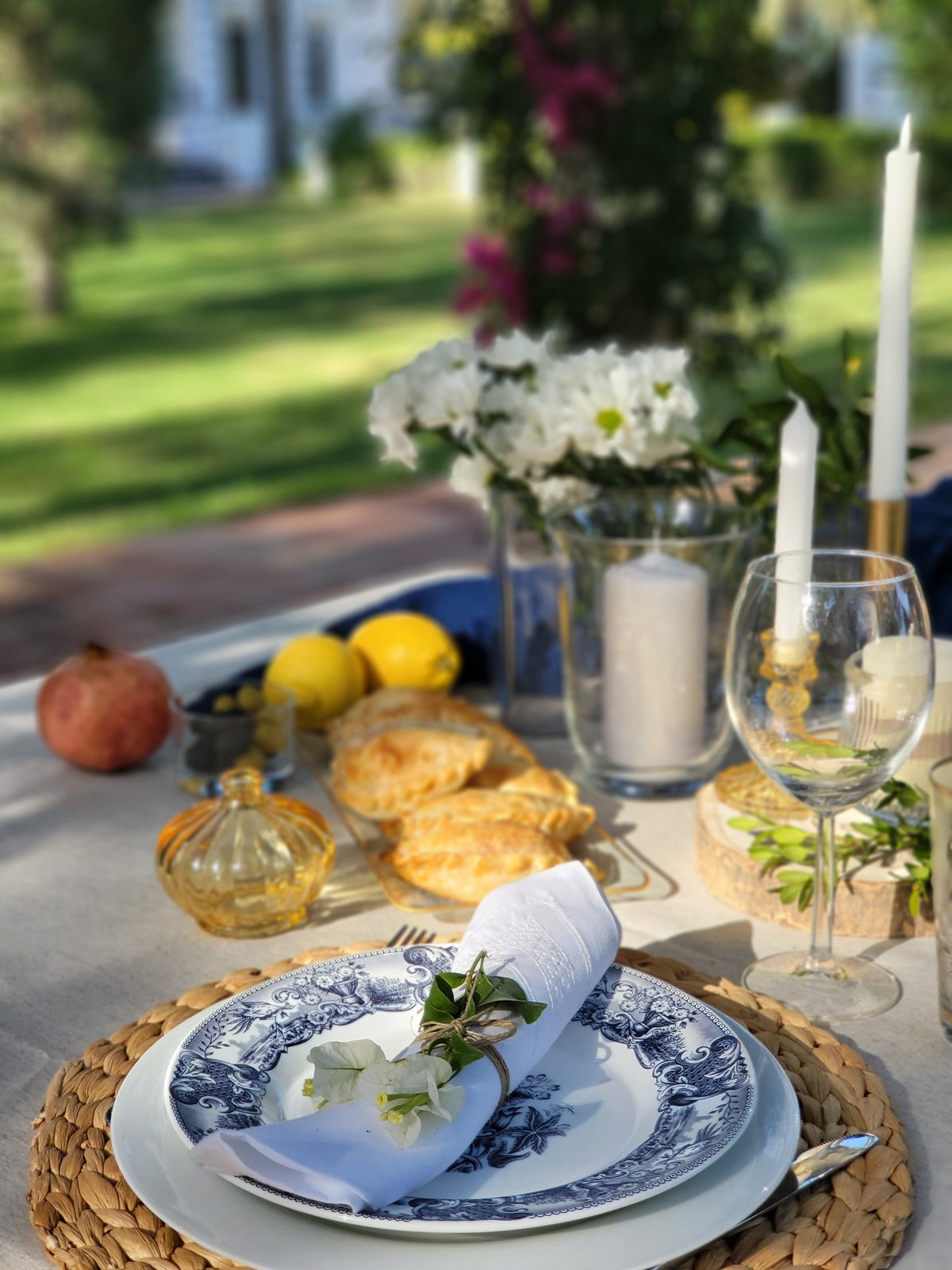
The table is laid too
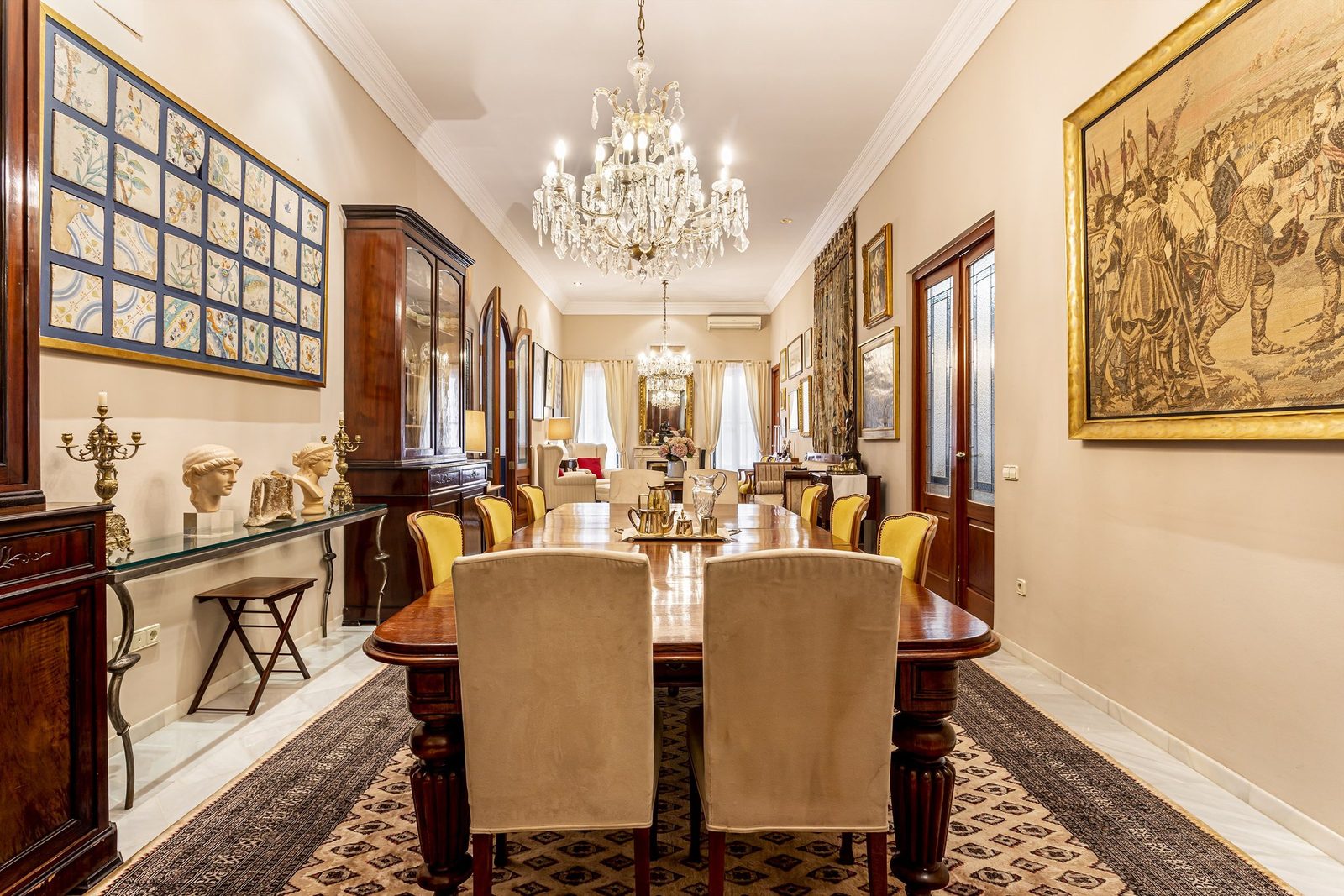
The extending table seats sixteen indoors. Two matching sideboards line the room, full of collected china that isn’t there for decoration.
For everyday there’s china, glassware and cutlery for everyone. And for a meal that matters, you can ask for the antique china: the one in the sideboards, the one that only comes out when there’s a reason.
You ask for it like a meal, in advance. It isn’t an add-on from a catalogue: it’s opening a sideboard that has been there longer than we have.
PLAZO SIN FIJAR
The end of the meal
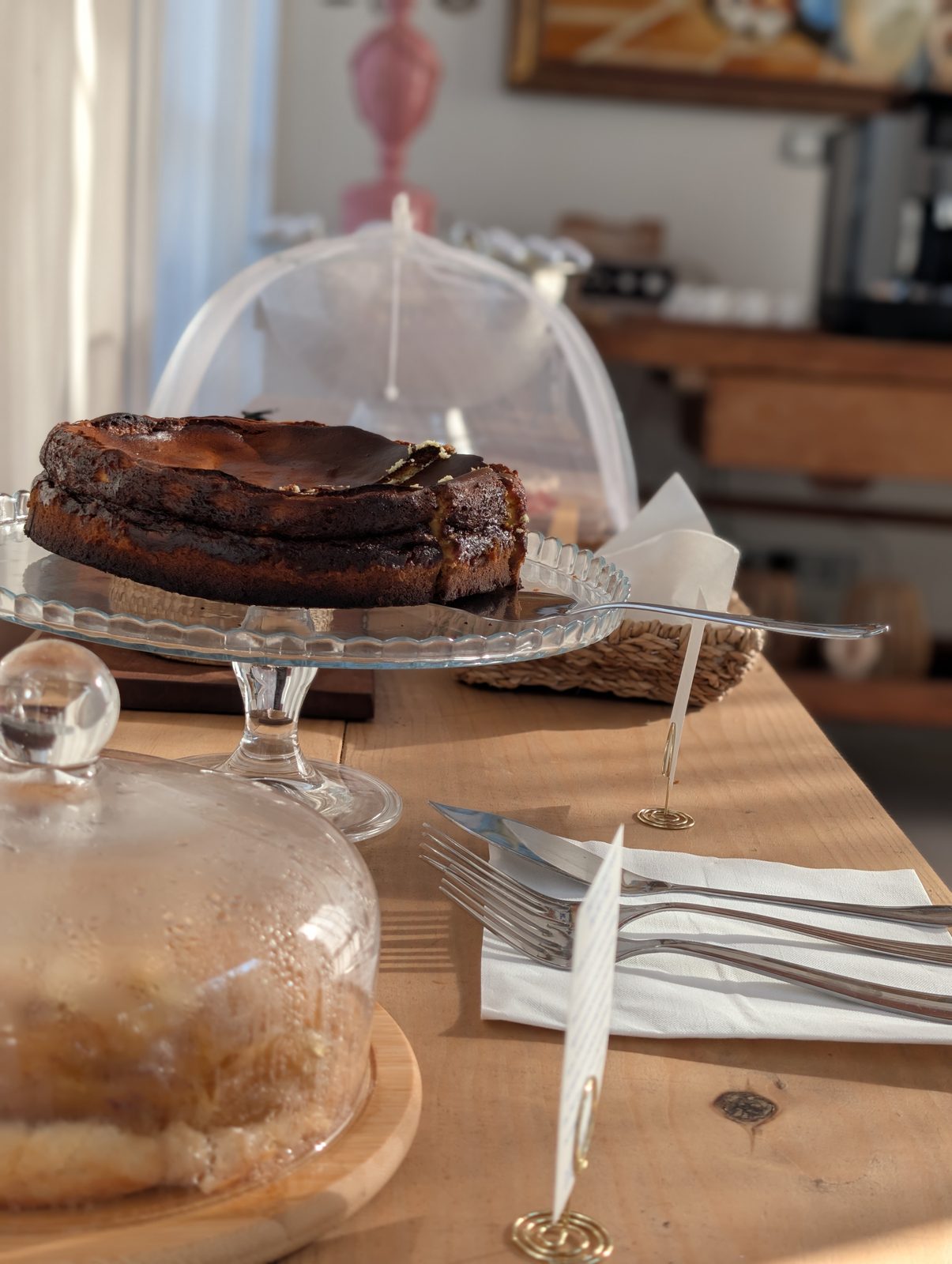
The desserts
Every meal closes with something sweet made here. In winter, with fruit from the grove: the same mandarin trees that give the wood for the asado also give the dessert.
PLAZO SIN FIJAR
To go with it
The wines
The meals come with wine from Casa Los Frailes, a Valencian winery that has been in the same family for thirteen generations since 1771. One bottle for every three people.
It isn’t whatever was on the shop shelf: it’s from a house that has been making wine longer than this villa has been a villa. And it’s a short drive away.
If the group would rather bring their own, that’s fine too. There’s no compulsory list here and no corkage.
The thread that ties it together
One tree gives the fruit, the shade and the fire
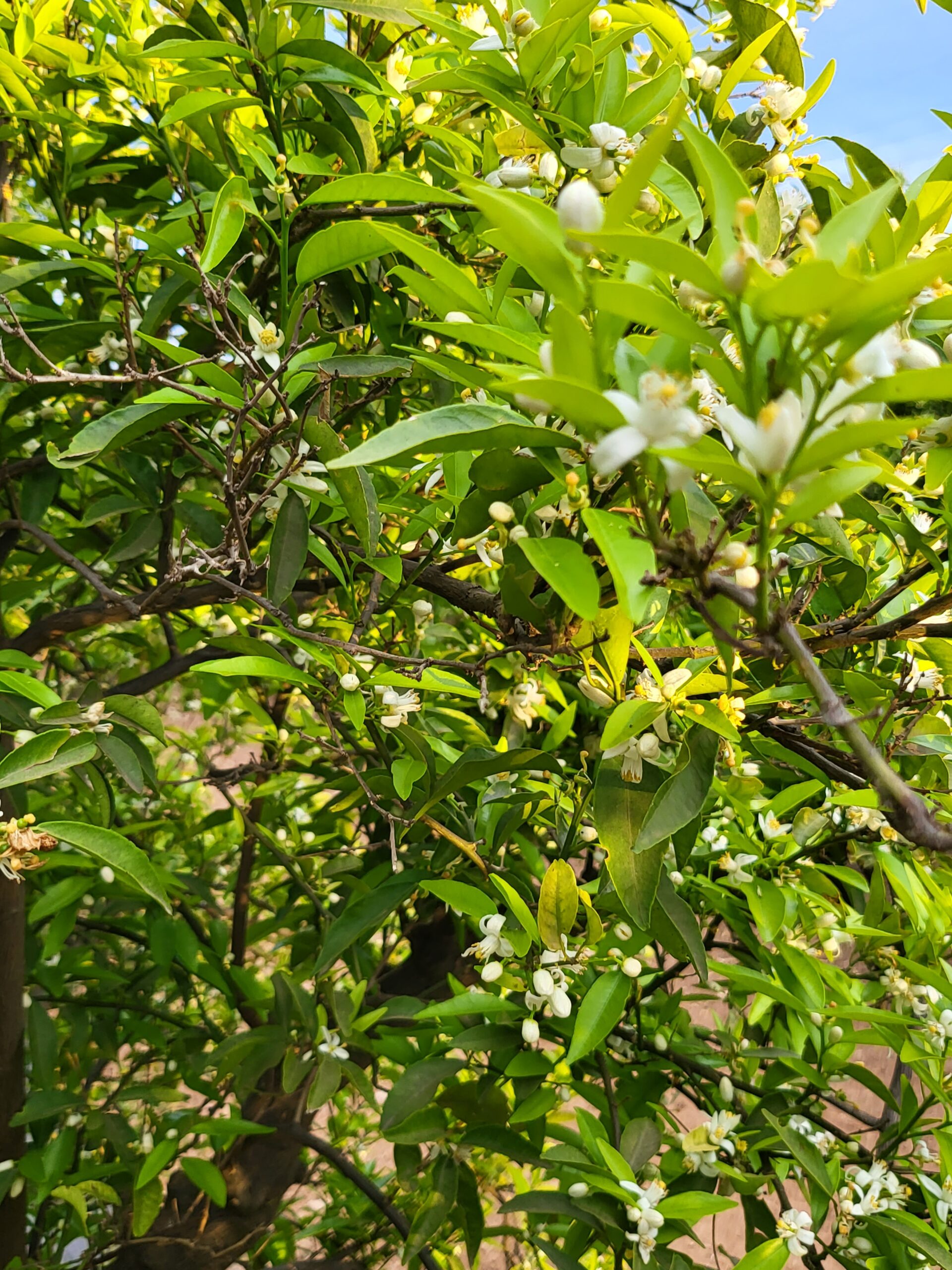
The wood that lights the asado and heats the clay oven comes from pruning the mandarin trees. The same trees whose fruit gets picked, and the same ones that give shade out in the grove. We don’t buy firewood: we use what the place gives.
Those not staying the night
You can invite more people for a meal
Seven to sixteen people sleep at the house. More can come to a meal without staying, arranged in advance. It’s the usual way to handle a family meal where not everyone is staying over.
Indoors, the extending table seats sixteen. Outside, the enclosed climate-controlled pavilion takes twenty-eight, so rain doesn’t change the plan.
Depending on the month
Picking fruit off the tree
From late October to January the Clemenules mandarins are picked: down to the grove, cut from the tree and carried up to the kitchen. From June to September it’s the summer vegetable garden instead.
It’s one of the things most remembered when there are children in the group, and the winter one can’t be done anywhere else nearby.
R.S.V.P.
What to ask for in advance
None of this is compulsory and none of it has a form. You tell us on WhatsApp and it’s sorted before you arrive.
The notice periods aren’t a house rule: they’re how long each thing takes. An asado is six hours of fire and a paella starts a week earlier, at the market.
All you have to do is say what you fancy
When you invite someone to dinner, the first thing you ask is what they like. Same here. Each meal has its notice period because each takes what it takes: a breakfast is sorted in forty-eight hours and a paella starts a week earlier, at the market.